Click below to listen to my Garden Bite podcast: Wild Blue Phlox
This spring feels different in many ways which has sent me out into nature more often. I’ve also had more time to do that as I retired from the Monday thru Friday workforce last October.
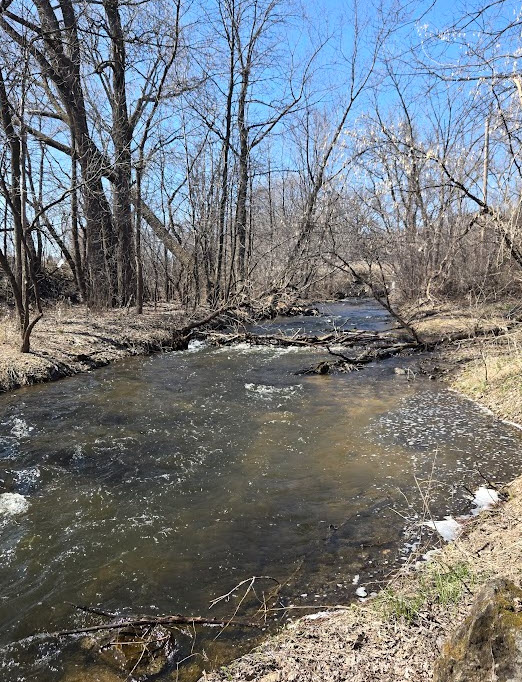
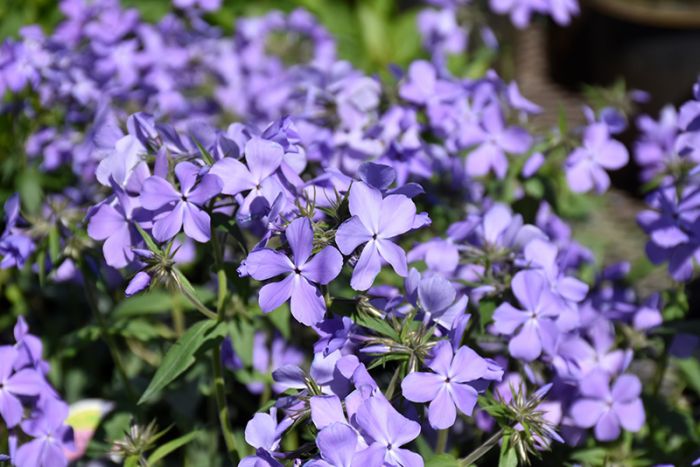
Wandering the woods along the river and streams within my community we will very soon be seeing a wonderful welcome to spring. Wild Blue Phlox, also known as Woodland Phlox, is an early welcome sight in shaded areas.
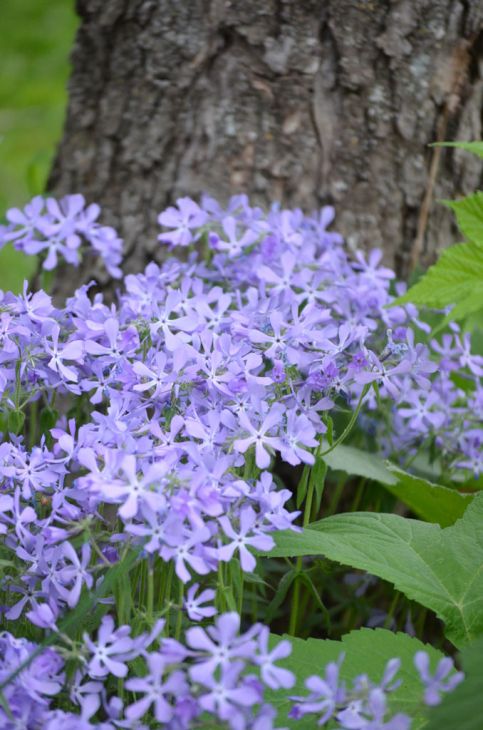
It is a native that blooms from April to June. The flowers are generally pale blue to lavender to violet.
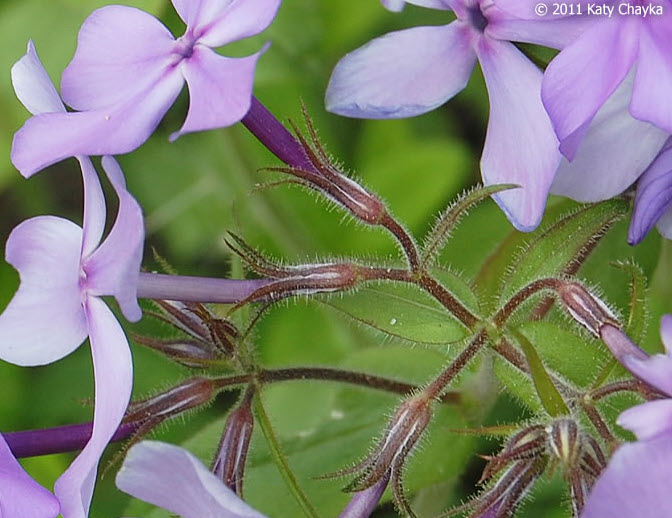
The flowers sit on top of sticky stems. It grows up to 18 inches at maturity. This phlox is an important source of early nectar for our native pollinators including Swallowtail butterflies, bees and hummingbirds.
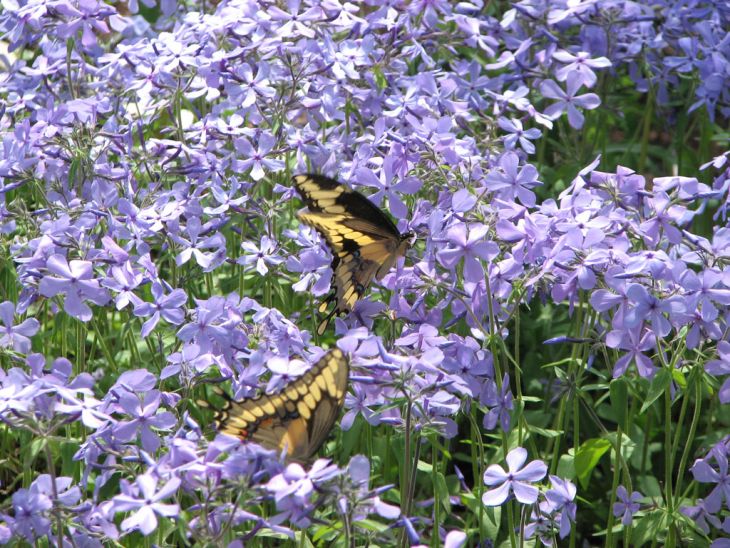
The Minnesota Board of Water and Soil highlighted Wild Blue Phlox this month noting it’s deep taproot that helps break up compacted soil and stabilize upland streambanks. Indigenous tribes used the plant to treat stomach and intestinal diseases and used steeped roots as an eyewash.
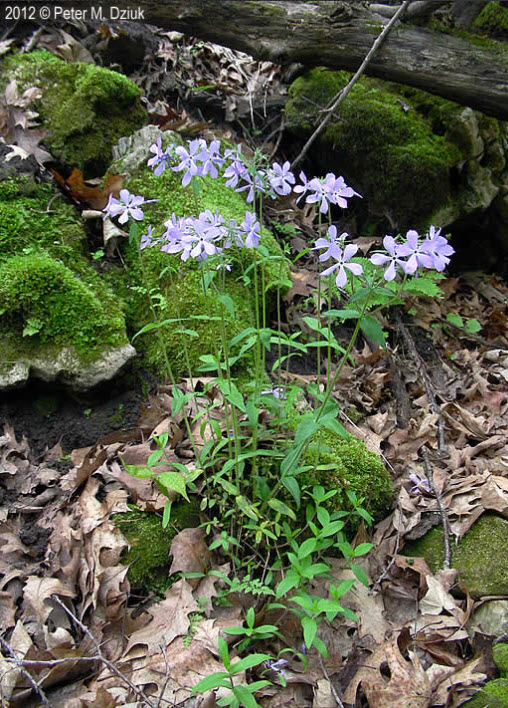
This plant is ideal for woodland gardens or shaded rock beds. It needs well-drained soil with consistent water until established, then it can become drought resistant. Deer don’t seem interested in it but, fair warning, rabbits do!
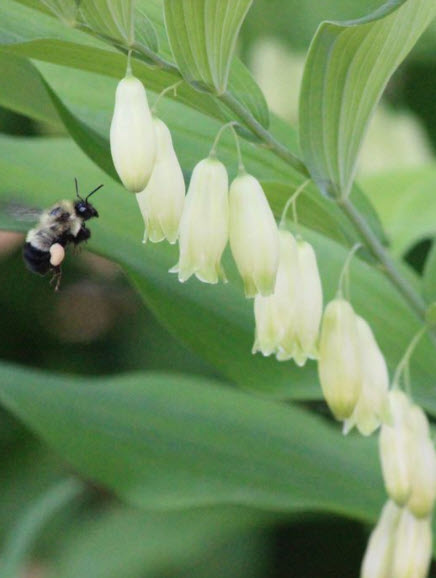
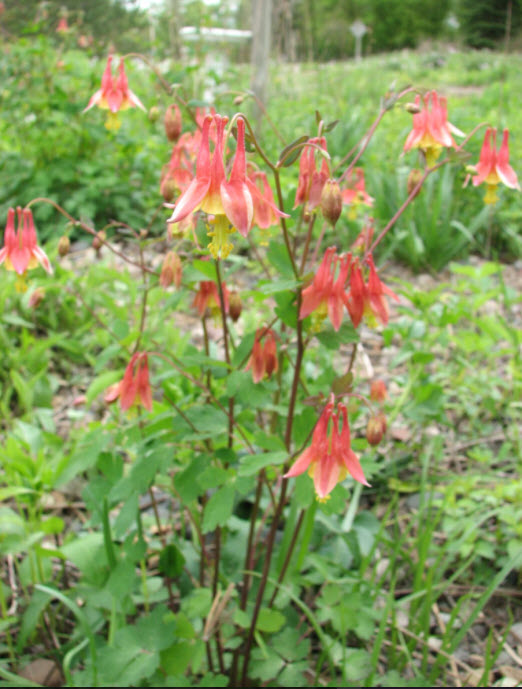
You can pair this plant with Jack-in-the-Pulpit, Trillium, Solomon’s Seal and Columbine aka Cardinal Flower, all natives. It also looks good with various ferns and lungwort.
There is a cultivar of Wild Blue Phlox named ‘Blue Moon’ which is shorter at 7 to 12 inches tall.
Another cultivar I found doesn’t have a good reputation. It’s called ‘Clouds of Perfume’. That’s the word from Mt. Cuba Center, a botanic garden committed to the conservation of native plants and their habitats since 1935. It is located near Wilmington, Delaware. Their research has shown that the ‘Clouds of Perfume’ seems to defoliate from powdery mildew after flowering. The ‘Blue Moon’ cultivar is much more vigorous.