Click below to listen to my podcast: No Mow vs Slow Mow
Lawns… we tried No Mow May for pollinators and discovered that that’s not really the best option for a number of reasons. I look forward to debates on this one from my listeners! As lawn experts from the University of Minnesota pointed out, grass can grow over 12 to 18 inches during the month of May.
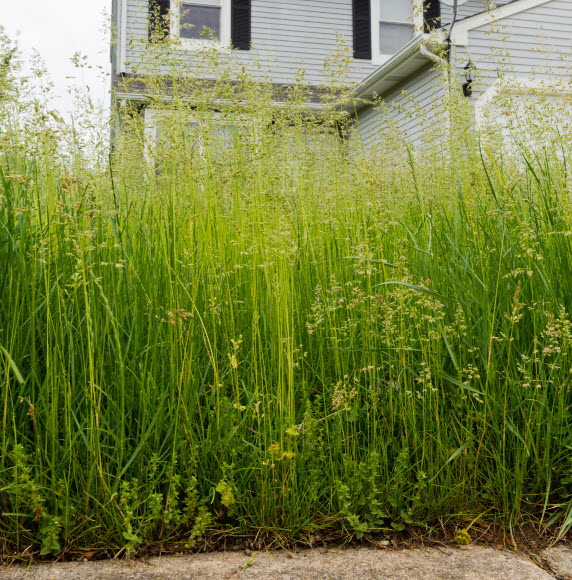
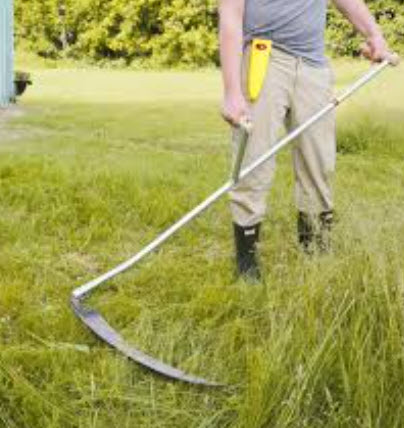
Not only can it look very messy but it obviously creates a real problem when you do try to mow it back. Among the issues is your mower can’t handle that growth without ripping the grass. And I don’t think anyone wants to use a scythe to cut their lawn! Okay, maybe some do. It IS eco-friendly and a good workout…
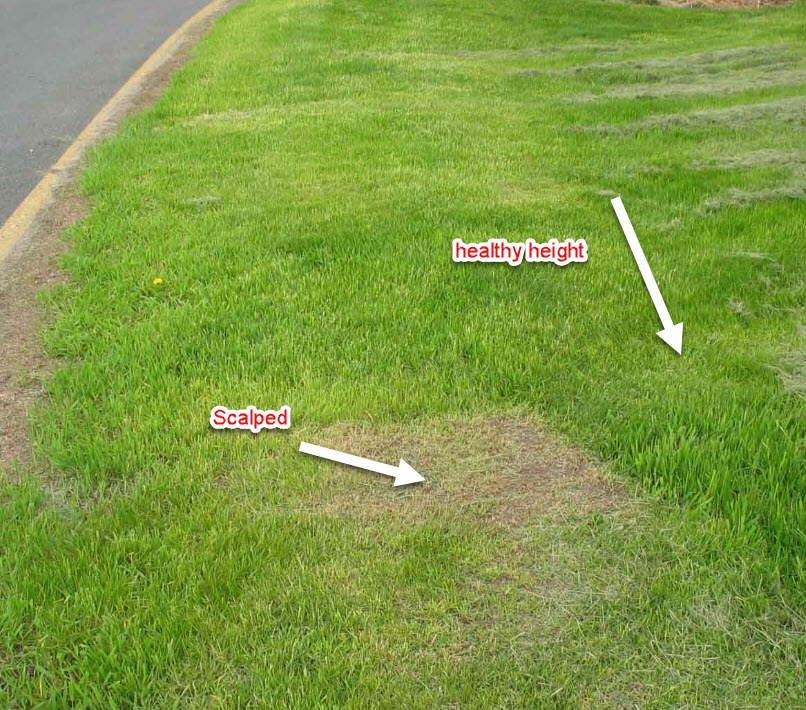
As experts also point out, you should never mow more than 1/3 of the height of grass at a time. This allows for a lovely lawn while also maintaining the root system below.
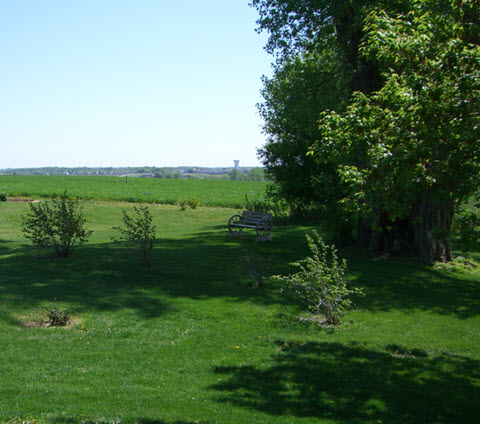
The blades support the roots by performing photosynthesis to create sugars needed for root growth. Maintaining taller blades,about 3 inches, provides shade to the soil which helps retain moisture and reduces heat stress therefore encouraging deeper, healthier roots. Read more on healthy mowing from the UofMN Ext.
So kicking No Mow May to the curb, along comes Slow Mow Summer.
Slow Mow Summer basically allows for those pollinator friendly plants such as pussy toes, violets and native bluebells to flower giving the pollinators some early nectar until our flowering perennials and trees can feed them. Note that while violets only grow to about 4 inches, Pussy Toes and Native Bluebells can grow to a foot.
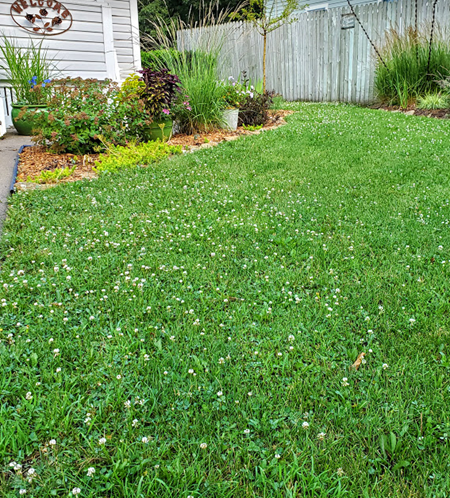
Slow Mow also means the dandelions and clover grow too. While dandelions get real ugly after bloom, they do offer nectar. As for clover, while the stuff that grows in our lawns is not native, it does offer sustenance to pollinators and is also easy on the eyes.
Another option to consider are planting grasses that remain low. I have Pennsylvania Sedge in a couple of areas. It grows to about 8 inches and flowers. It also lays over. I love it.
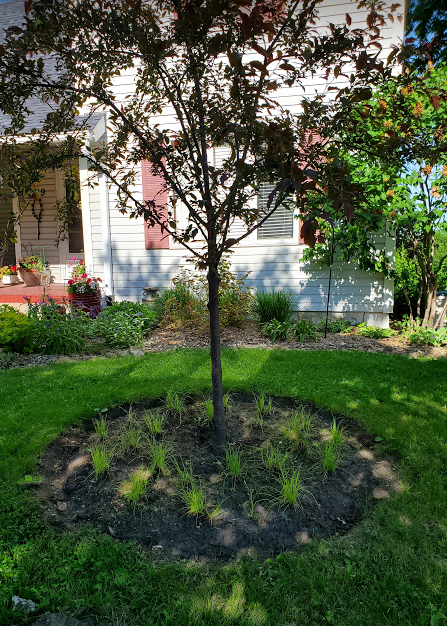
Now here is a comparison of the Pennsylvania Sedge in 2023 when the city was renovating my street…
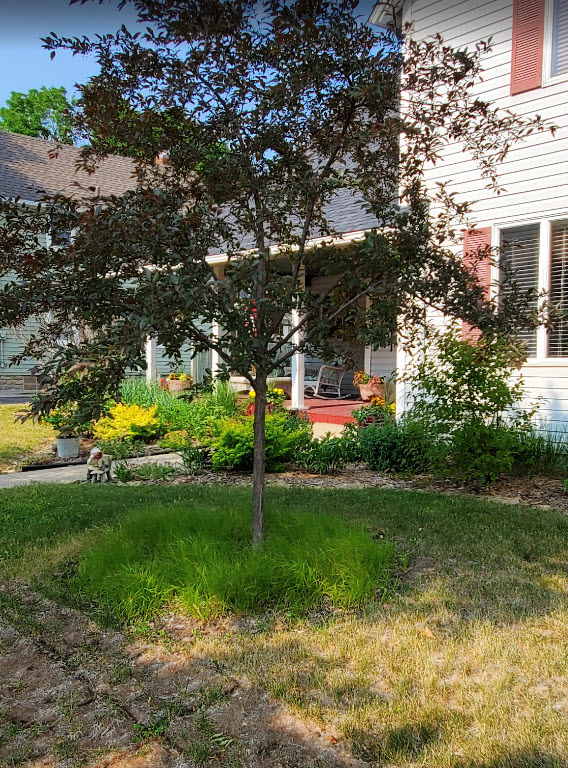
It’s not an instant fix by any means but neither is a pristine lawn. However, it’s a LOT less expensive and no chemicals or maintenance involved. Prairie Moon Nursery, my go-to native plant resource, also offers Eco Grass Low Maintenance option that’s an excellent choice for solid border areas or footpaths adjacent to native plantings.
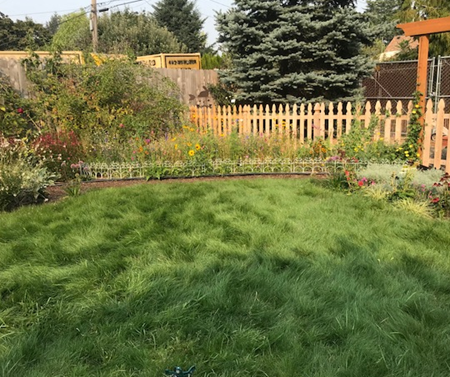
Learn more about Eco Grass on my website. Bonus, it grows in any condition except full shade and wet. Our planet is worth our effort and no amount of effort is too small.